Category: CRI Reports

Wasting and Recycling Trends:Conclusions from CRI’s 2008 Beverage Market Data Analysis

January 2009 | Three pronounced trends in American beverage consumption and recycling patterns have emerged since 2000: overall sales growth, non-carbonated sales growth, and stagnating recycling rates—all of which lead to increasing wasting. Using data from the 2008 Beverage Market Data Analysis, CRI has compiled a report discussing those trends.By Container Recycling Institute
Understanding economic and environmental impacts of single-stream collection systems

December 2009 | While single-stream recycling is more convenient for consumers and results in lower costs than other collection systems, it also results in more contamination of collected materials, lower material quality, and increased waste. Using data from industry reports and interviews with recyclers, this report that highlights the economic and environmental impacts of switching to a single-stream system.
By Clarissa Morawski

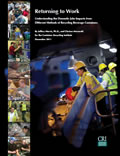
Returning to Work:Understanding the Domestic Jobs Impacts from Different Methods of Recycling Beverage Containers

December 2011 | While the recycling’s impact on jobs has been the subject of several studies in recent years, Returning to Work is the first report to  take into account the vital importance of material quality, throughput quantities, processing dynamics and end-user needs to analyze the net gains in domestic jobs when beverage containers are recovered through recycling.By Clarissa Morawski and Jeffrey Morris for the Container Recycling Institute

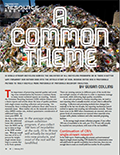
A Common Theme: Single Stream Recycling

Is single-stream recycling service the salvation of all recycling programs or is there a better way forward? Our author digs into the untold story of real residue rates and a PREFERABLE METHOD to truly recycle more materials at materials recovery facilities.

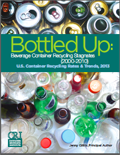
Bottled Up (2000-2010) – Beverage Container Recycling Stagnates

Three pronounced trends in American beverage consumption and recycling patterns have emerged since CRI’s first BMDA looked at year 2000 data: overall sales growth, non-carbonated sales growth, and stagnating recycling rates—all of which are resulting in higher rates of landfilling, incineration and littering, and other negative environmental impacts.  

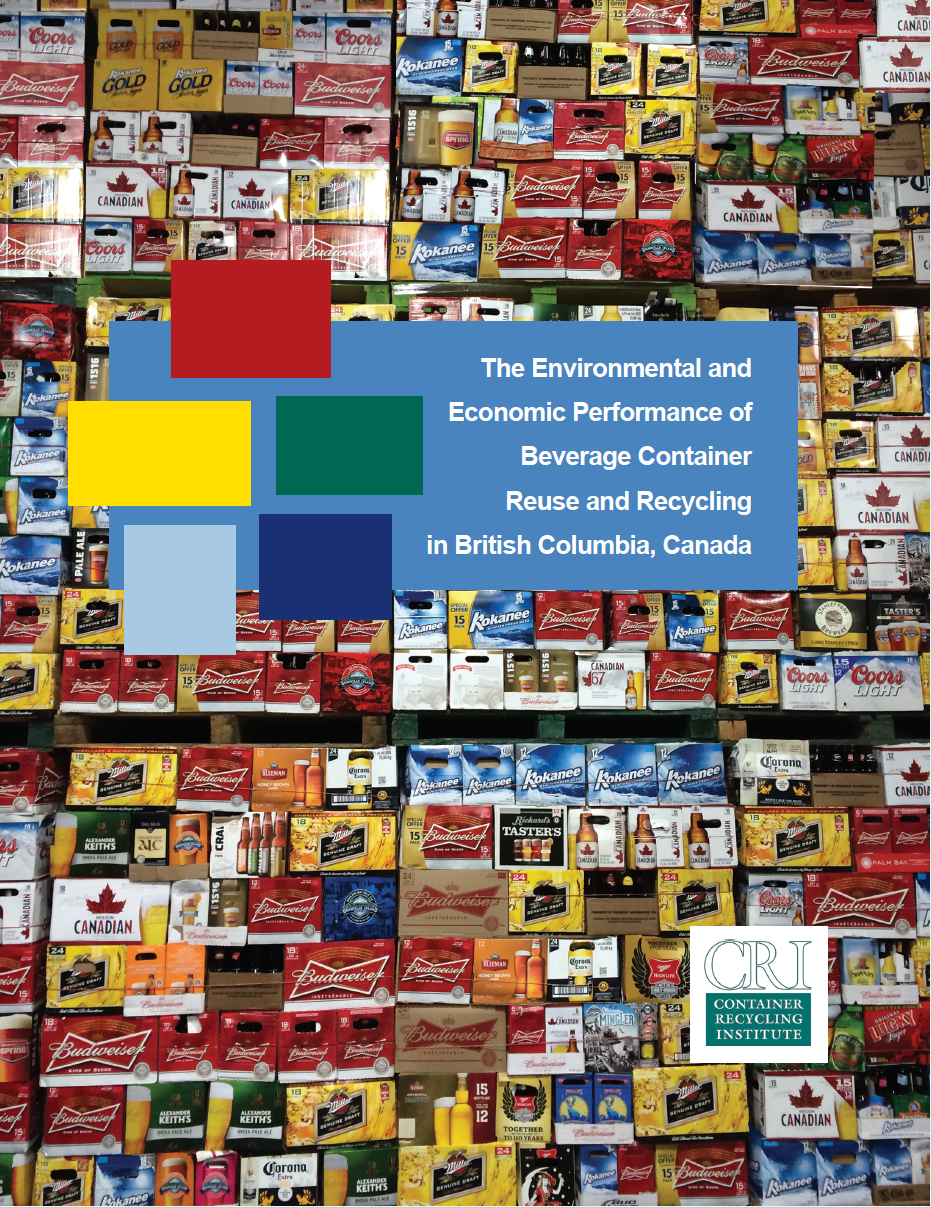
The Environmental and Economic Performance of Beverage Container Reuse and Recycling in British Columbia, Canada

The Container Recycling Institute (CRI) undertook this case study of British Columbia’s container deposit-refund law (CDL) for two reasons: first, to expand CRI’s existing body of research on best practices for the recovery and quality recycling of packaging materials; and second, to investigate recent increases in container recycling fees (CRF) in the province, especially for glass containers.

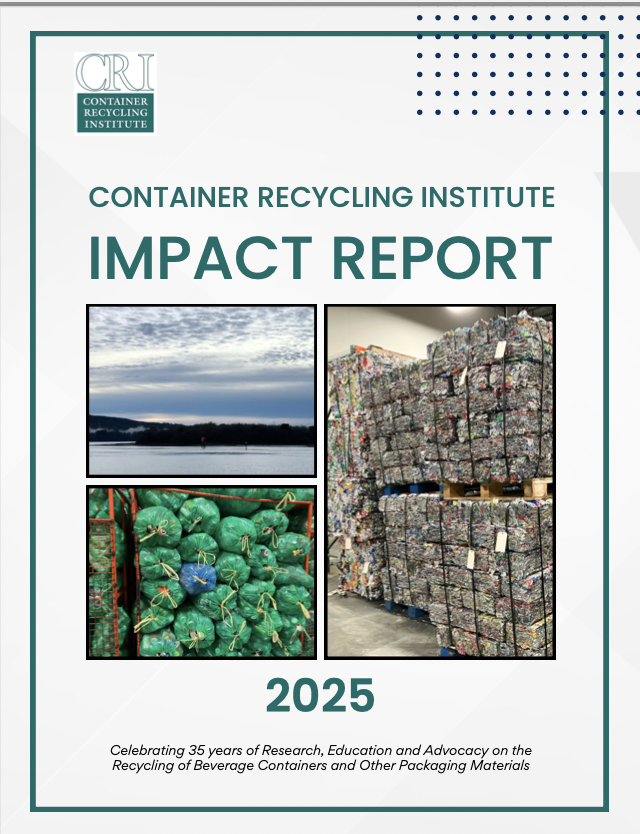
Learn how CRI made a difference in 2025 through high-profile initiatives, legislative testimony and industry presentations, and education and collaboration.